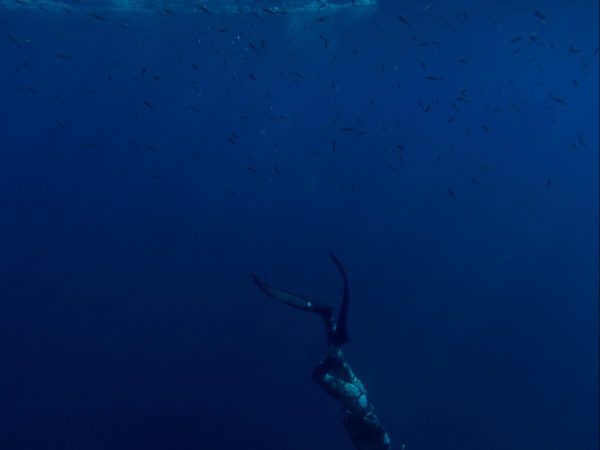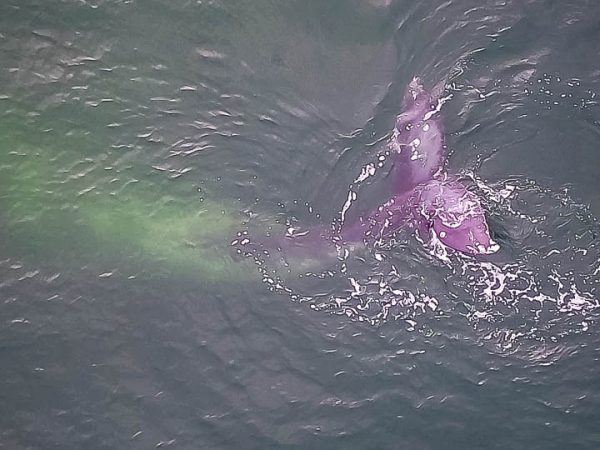
The Consortium is conducting a long-term research program on marine mammals and their interactions with fisheries, other species and oceanographic conditions in the North Pacific Ocean and Eastern Bering Sea.

Marine Mammal ResearchersSteller sea lions Marine Mammal Researchers at workFur SealsSteller sea lion Baby northern fur sealsSteller sea lion with researcher Humpback whale fluke researcher at work

WHAT'S NEW!

Northern Fur Seal

Meals for Seals
Maximum rates of fish intake in northern fur seals


Young northern fur seals in Alaska face a constant struggle to capture enough food to survive. But how much food is enough, and which times of year are critical for growth? A new Consortium study measures the digestive capacity of young fur seals, and provides important information for conserving their wild populations and their prey.

See full story >>
April 11, 2012


Transient Killer whale

What’s in a Whistle?
New study examines how transient killer whales communicate


When the slightest sound could give you away to your prey, you have to communicate carefully. That’s the lesson learned from transient killer whales hunting seals and sea lions, which have exceptional hearing. New Consortium research investigates how transients use whistles, and how their whistles differ from those of fish-eating residents.

See full story >>
March 12, 2012


Steller sea lions being fed

Genes in a Bottle:
Using DNA analysis to solve a dietary dilemma

To conserve declining populations of Steller sea lions in western Alaska, it is important to understand their diet. But determining what and how much sea lions eat is complicated. A recent Consortium study tests a sophisticated DNA analysis technique to answer these and other questions. The results could have far-reaching impacts.

See full story>>
November 30, 2011

INTO THE LAB ...
A recent study by UBC scientists is trying to understand the interaction between seasonal changes in Atka mackerel and fish requirements of young Steller sea lions. The results may have dramatic consequences on the timing of weaning for sea lions in the western Aleutian Islands.
[more]


FROM THE FIELD ...
Whales living in a dark underwater environment where vision is limited must rely heavily on sound to guide them through their daily activities. Two graduate students are using whale calls to study the ecology and behavior of whales.
[more]


NUMBER CRUNCHING
Cataloguing the diet of the highly endangered Hawaiian monk seal is not an easy task, but it is a critical step in understanding whether the population is food limited.
[more]


STELLER NEWS
The final report of the independent scientific review of the 2010 Biological Opinion by the National Marine Fisheries Service (NMFS) concerning the impact of groundfish fisheries on Steller sea lions was recently published by…
[more]


VIDEO CONNECT
Follow female northern fur seals as they leave Bogoslof Island in the southern Bering Sea and forage along ocean fronts. Videos such as these help scientists understand feeding behavior of seals and how they interact with fine-scale oceanography.
[more]


THIS JUST IN
Latest peer reviewed publications
[more]

 
Steller sea lion research

SCIENCE OUTREACH
A large group of researchers working in affiliation with the Consortium presented the results of their science at the International Biennial Conference on the Biology of Marine Mammals held in Tampa FL in December 2011. Of particular note, Chad Nordstrom was awarded “best student (pre-doctoral) oral presentation”. 
[more]

Newsletter
Sign-up for monthly news and updates

email


like us
on facebook


Marine Mammal
Research Unit


North Pacific
Marine Science
Foundation


U of alaska
U of washington

Steller Sea Lions: Marine Mammal Research Consortium

What's New
Consortium |
Steller sea lion biology |
Steller sea lion research |
Killer whale research
Northern fur seal research

Marine mammal publications |
site map |
site links |
contact
Marine Mammal Research Unit

For questions or comments about this website, please

North Pacific Universities Marine Mammal Research Consortium 2009. All rights reserved. Read our
Terms and Conditions of use.
contact the Consortium